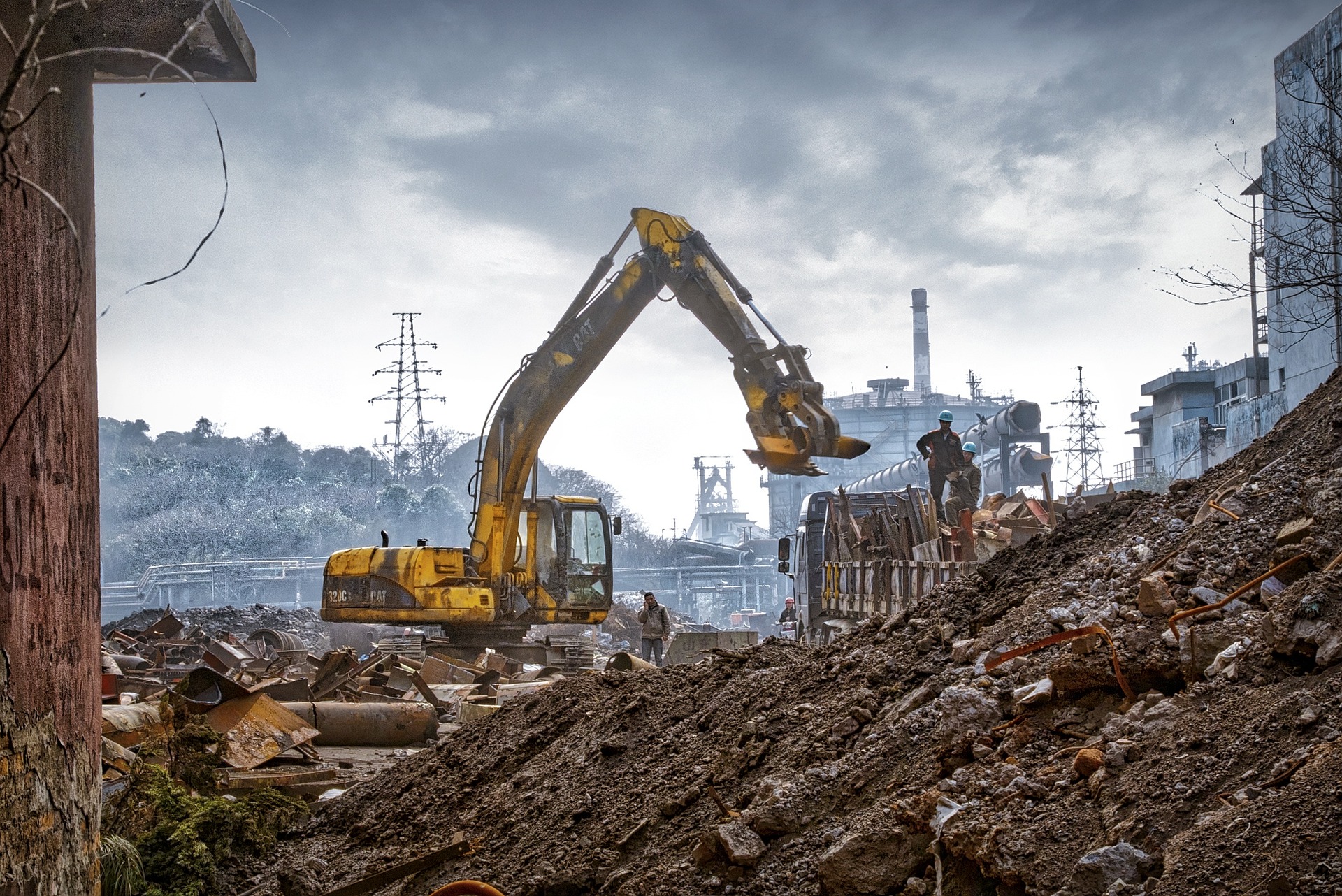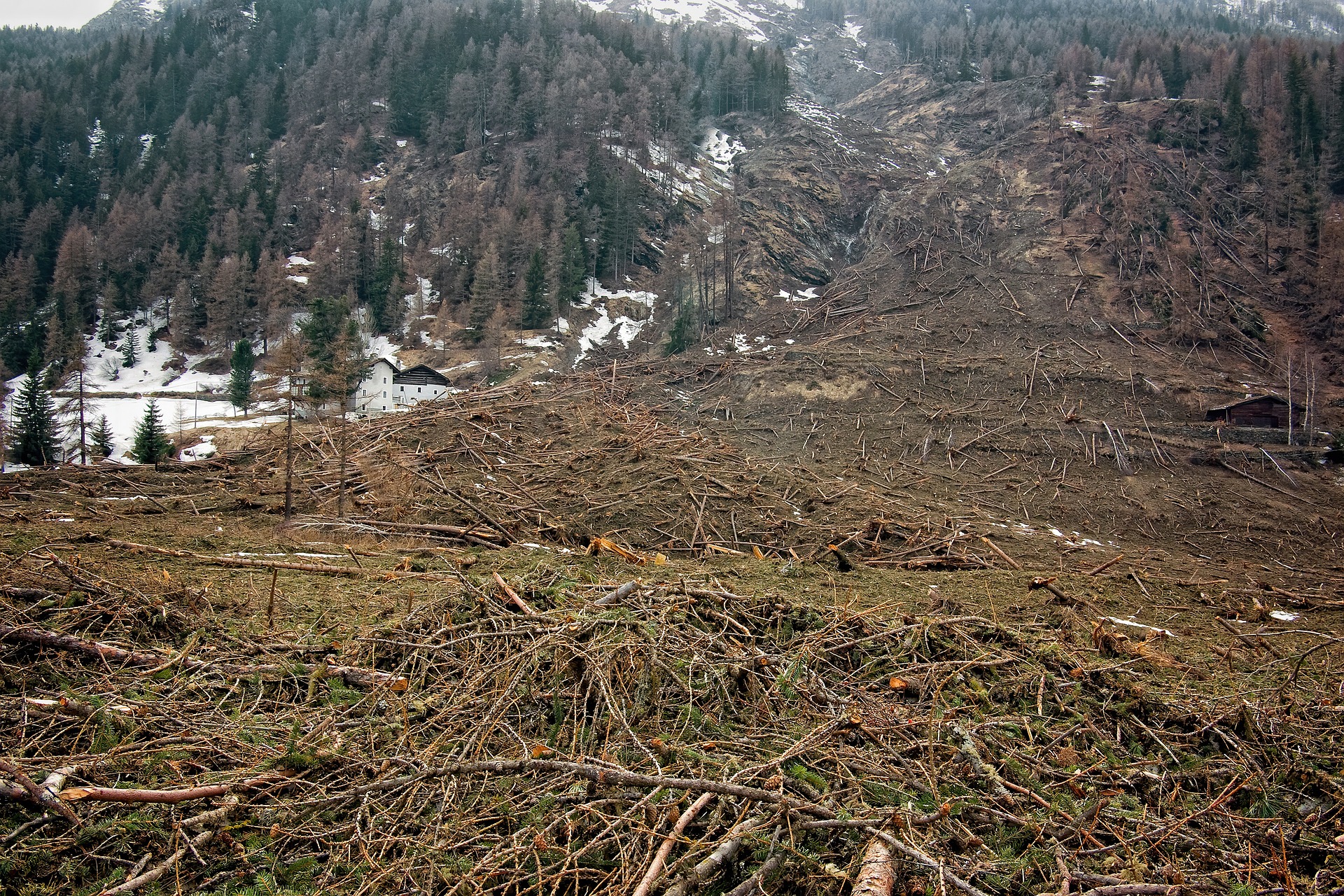

As cities are trying to develop more housing and retail areas in urban areas, green space is being eliminated or put at a minimum in the planning process. This lack of green space not only increases the heat or cold levels and is a contributor to a higher amount of water runoff. All of this creates a domino effect.
Instead of the earth receiving the heat and cold in a way that will contribute to growth of ecological infrastructure, it is reflected away or is absorbed into the walls of the buildings. This can create a "Domino Effect of Poverty" initiated by a lack of a good ecological infrastructure. The absorption of heat into the buildings creates a need to increase the air conditioning (if available) otherwise there's a need to keep fans going continuously. The absorption of cold into the buildings creates a need to keep the heat turned up in order warm the surrounding air. Both scenarios causes people to use more of their money to pay for their now exaggerated utility bills.
Both scenarios causes people to use more of their money to pay for their now exaggerated utility bills. Which keeps people caught in a situation where they are just trying to make ends meet.
If there was more green space in the urban areas, the ecological infrastructure would be in place to balance and dissipate some of the hot and cold temperatures. In short, the extremes cold and hot could be kept at a minimum in regards to people and used to help nature thrive.
In the absence of outdoor green space, there's a need to create indoor green space. Having a variety of potted plants throughout the house or apartment, especially around the windows may be able to help with both temperature balance, as well as a natural air filter.